10 Tips to Support Your Child’s Mental Health During Children’s Mental Health Week
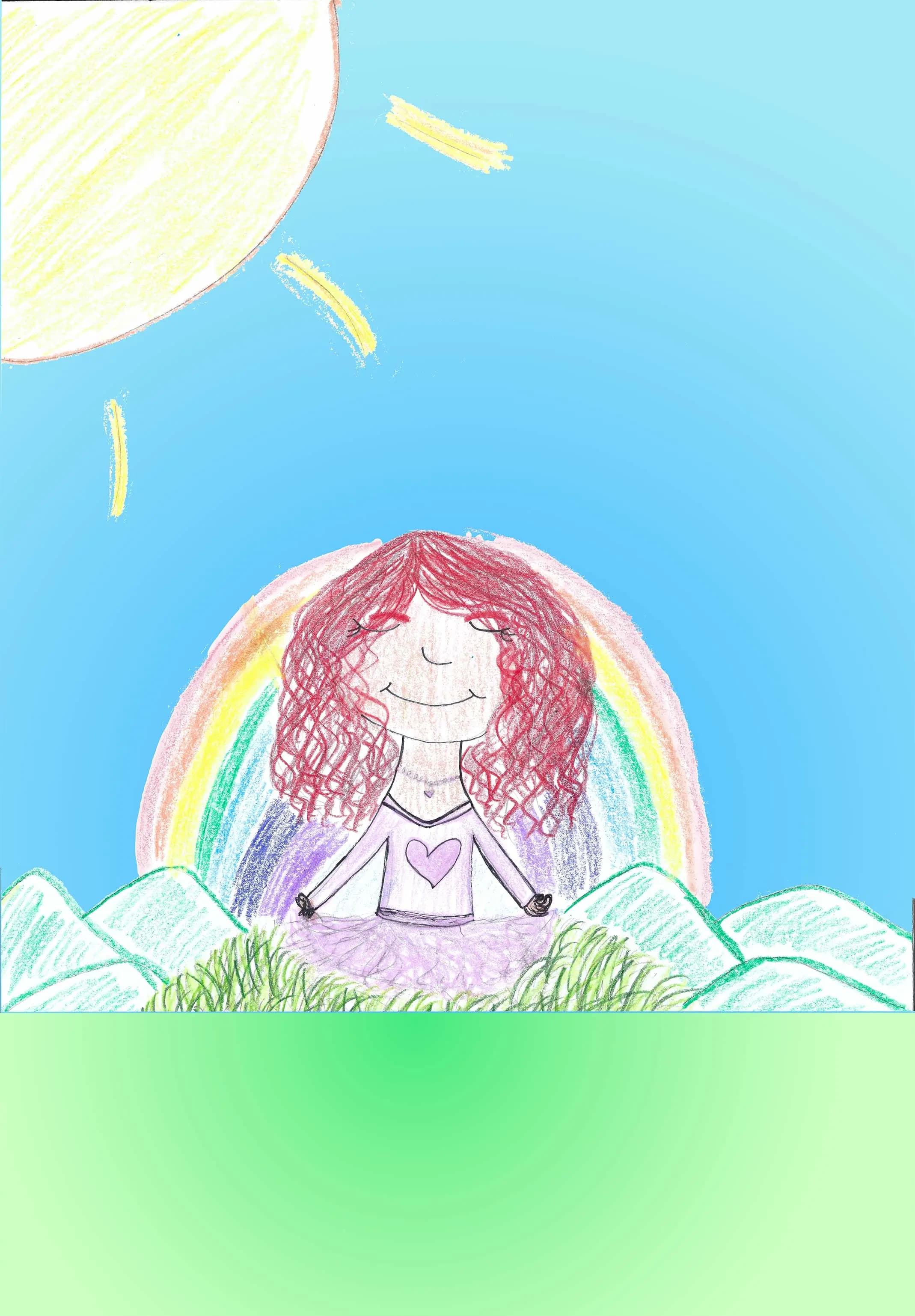
10 Tips to Support Your Child's Mental Health During Children's Mental Health Week ==================================================================================
Introduction
Children's Mental Health Week is May 4th through the 10th and is a time to spread awarness as to the importance of the mental health of our little ones. Children's mental health has become an increasingly critical concern, especially in the wake of global challenges like the COVID-19 pandemic. Recent studies indicate a 25% increase in common mental health conditions among young people, making it more important than ever for parents and caregivers to actively support their children's emotional well-being.
Understanding the Basics of Children's Mental Health
Mental health forms the foundation of a child's development, affecting everything from academic performance to social relationships. The CDC reports that 63% of young people experienced substantial symptoms of anxiety and depression during the pandemic, highlighting the urgent need for increased awareness and support.
Signs Your Child May Be Struggling
- Sudden changes in sleeping or eating patterns
- Withdrawal from previously enjoyed activities
- Unexplained physical complaints
- Difficulty concentrating or completing schoolwork
- Increased irritability or emotional outbursts
Essential Tips for Supporting Your Child's Mental Health
1. Prioritize Open Communication
Creating a safe space for dialogue is crucial. Instead of asking "How was your day?" try specific questions like "What made you smile today?" or "What was challenging about today?" This approach encourages more detailed responses and meaningful conversations.
2. Establish Healthy Routines
Structure provides security. Research by Maria Montessori demonstrates that children thrive with consistent routines. Implement:
- Regular sleep schedules (aim for 9-11 hours per night)
- Balanced nutrition with scheduled mealtimes
- Daily physical activity (minimum 60 minutes)
- Designated homework and relaxation periods
3. Foster Digital Wellness
The relationship between digital media use and mental health is complex. Studies show excessive screen time can impact sleep quality and emotional well-being. Implement these strategies:
- Set clear boundaries for device usage
- Create tech-free zones in the home
- Monitor online activities without invading privacy
- Encourage alternative activities like reading or outdoor play
4. Build Emotional Intelligence
Help children identify and express their emotions effectively:
- Use emotion charts or journals
- Practice naming feelings during daily activities
- Share appropriate personal experiences
- Validate emotions without dismissing them
5. Promote Physical Activity
Regular exercise benefits mental health by:
- Releasing endorphins
- Improving sleep quality
- Reducing stress and anxiety
- Building confidence through skill development
6. Create Social Connections
Strong social bonds are vital for mental health. Encourage:
- Regular playdates or virtual meetups
- Participation in group activities
- Family game nights or shared meals
- Community involvement opportunities
7. Practice Mindfulness Together
Simple mindfulness exercises can help children manage stress:
- Guided breathing exercises
- Body scan meditations
- Nature walks with sensory focus
- Mindful coloring or drawing
8. Monitor Academic Pressure
Balance academic expectations with mental well-being:
- Help prioritize assignments
- Break large tasks into manageable steps
- Celebrate effort over perfection
- Maintain open communication with teachers
9. Recognize Warning Signs
Be alert to potential mental health concerns:
- Persistent sadness or worry
- Changes in appetite or sleep
- Social withdrawal
- Declining academic performance
10. Model Self-Care
Children learn by example. Demonstrate healthy coping strategies:
- Practice stress management techniques
- Maintain work-life balance
- Seek professional help when needed
- Share appropriate personal challenges and solutions
Taking Action
Start implementing these strategies gradually. Begin with one or two approaches that feel most manageable for your family situation. Remember that supporting mental health is an ongoing process, not a one-time effort.
Community Resources
Utilize available support systems:
- School counseling services
- Local mental health organizations
- Online support groups
- Professional therapy services
By implementing these strategies consistently and thoughtfully, parents and caregivers can create a supportive environment that promotes positive mental health outcomes for their children. Remember that every child is unique, and approaches may need to be adjusted to suit individual needs and circumstances.
School and Educational Support
Educational institutions play a crucial role in supporting children's mental health. Recent studies show that schools implementing comprehensive mental health programs see improved academic performance and reduced behavioral issues. Key aspects include:
Collaboration with Educational Staff
- Regular communication with teachers about your child's well-being
- Participation in parent-teacher conferences
- Understanding available school counseling resources
- Contributing to school mental health initiatives
Managing Digital Influences
In today's connected world, digital media significantly impacts children's mental health. According to research on digital media use and mental health, balanced approaches include:
Social Media Guidelines
- Age-appropriate platform access
- Discussion of online privacy
- Recognition of cyberbullying signs
- Development of healthy digital habits
Building Resilience
Resilience helps children cope with life's challenges effectively. Key strategies for building resilience include:
Problem-Solving Skills
- Teaching analytical thinking
- Encouraging creative solutions
- Practicing decision-making scenarios
- Learning from setbacks
Cultural Considerations
Mental health support should acknowledge cultural differences and values. Important aspects include:
Cultural Sensitivity
- Understanding cultural perspectives on mental health
- Respecting family traditions
- Incorporating cultural strengths
- Finding culturally appropriate resources
Crisis Prevention and Response
Being prepared for mental health challenges is essential. Key elements of crisis prevention include:
Emergency Planning
- Creating emergency contact lists
- Knowing crisis hotline numbers
- Understanding warning signs
- Developing action plans
Long-term Support Strategies
Supporting children's mental health requires ongoing commitment. Consider these long-term approaches:
Developmental Support
- Regular mental health check-ins
- Adjustment of support strategies as children grow
- Building lasting coping mechanisms
- Creating sustainable support networks
Professional Mental Health Support
Understanding when and how to seek professional help is crucial. Key considerations include:
Types of Professional Support
- Child psychologists
- Family therapists
- School counselors
- Mental health specialists
Advocacy and Support Networks
Building strong support networks enhances mental health outcomes. Important elements include:
Community Engagement
- Joining parent support groups
- Participating in community mental health events
- Advocating for mental health resources
- Building connections with other families
Measuring Progress
Tracking mental health progress helps identify effective strategies. Consider monitoring:
Progress Indicators
- Behavioral changes
- Emotional regulation improvements
- Social interaction quality
- Academic engagement
Future Perspectives
Looking ahead in children's mental health support involves:
Emerging Trends
- Technology-based support tools
- Innovative therapeutic approaches
- Enhanced school-based programs
- Improved early intervention strategies
Practical Daily Implementation
Transforming mental health support into daily practices requires systematic approaches. Consider these practical implementations:
Morning Routines
- Starting with positive affirmations
- Implementing mindful breakfast habits
- Creating calm morning transitions
- Setting daily intentions together
Seasonal Considerations
Mental health support needs may vary with seasons and circumstances:
Academic Year Support
- Managing back-to-school anxiety
- Balancing extracurricular activities
- Supporting during exam periods
- Planning holiday transitions
Special Circumstances
Certain situations require additional mental health support strategies:
Life Changes
- Moving to a new home
- Family structure changes
- School transitions
- Loss and grief support
Environmental Factors
Creating supportive physical environments enhances mental well-being:
Home Environment
- Designating calm-down spaces
- Organizing clutter-free zones
- Incorporating nature elements
- Managing noise levels
Physical Health Connection
Understanding the mind-body connection helps support overall well-being:
Nutritional Support
- Brain-boosting foods
- Hydration habits
- Regular meal schedules
- Limiting processed foods
Creative Expression
Artistic activities can support emotional processing:
Creative Outlets
- Art therapy activities
- Music and movement
- Storytelling and journaling
- Dance and drama expression
Peer Support Systems
Fostering healthy peer relationships contributes to mental well-being:
Social Skills Development
- Friendship-building activities
- Conflict resolution skills
- Empathy development
- Group interaction opportunities
Technology Balance
Managing technology use effectively supports mental health:
Digital Wellness Strategies
- Screen time management tools
- Quality content selection
- Digital literacy education
- Online safety practices
Parent Self-Care Integration
Supporting your own mental health enhances your ability to help your child:
Parent Wellness Practices
- Stress management techniques
- Support group participation
- Personal time allocation
- Professional development
Documentation and Tracking
Maintaining records helps identify patterns and progress:
Monitoring Tools
- Mood tracking systems
- Behavior journals
- Progress documentation
- Professional communication logs
Building Long-Term Resilience
Developing sustainable mental health practices helps children navigate future challenges. Research from mental health studies during COVID-19 highlights the importance of building lasting resilience:
Emotional Intelligence Development
- Recognition of emotional patterns
- Development of coping strategies
- Understanding emotional triggers
- Building emotional vocabulary
Educational Partnership Strategies
Strengthening connections between home and school environments enhances support:
Teacher Collaboration
- Regular progress meetings
- Shared support strategies
- Academic accommodation planning
- Behavioral support coordination
Crisis Prevention Planning
Developing proactive approaches to potential challenges:
Early Warning Systems
- Identifying trigger situations
- Creating safety plans
- Establishing support networks
- Maintaining emergency contacts
Cultural Competency
Understanding diverse perspectives on mental health support:
Inclusive Practices
- Multicultural resource access
- Language-appropriate services
- Cultural celebration integration
- Community connection building
Alternative Therapy Options
Exploring diverse approaches to mental health support:
Complementary Therapies
- Animal-assisted therapy
- Nature-based interventions
- Art and music therapy
- Movement-based programs
Sleep Hygiene Practices
Establishing healthy sleep patterns supports mental well-being:
Sleep Support Strategies
- Consistent bedtime routines
- Relaxation techniques
- Environmental optimization
- Screen time management
Stress Management Techniques
Teaching effective stress management skills:
Coping Mechanisms
- Deep breathing exercises
- Progressive muscle relaxation
- Visualization techniques
- Mindfulness practices
Future Planning
Preparing for ongoing mental health support:
Long-term Support Strategies
- Goal-setting practices
- Transition planning
- Resource development
- Support network expansion
Research and Updates
Staying informed about mental health developments:
Current Research
- Evidence-based practices
- Treatment innovations
- Prevention strategies
- Support program effectiveness
Community Engagement and Support
Developing strong community connections enhances mental health support:
Local Resources
- Support group participation
- Community event engagement
- Resource sharing networks
- Volunteer opportunities
Professional Development
Continuing education in mental health support:
Learning Opportunities
- Parent education workshops
- Mental health seminars
- Online training resources
- Professional certifications
Assessment and Evaluation
Regular review of support strategies:
Progress Monitoring
- Regular check-ins
- Strategy effectiveness review
- Goal achievement tracking
- Support plan updates
Supporting children's mental health requires dedication, patience, and consistent effort. The strategies outlined in this comprehensive guide provide a framework for creating a supportive environment that promotes positive mental health outcomes. At Bright Happy Books, we understand the vital importance of nurturing children's emotional well-being alongside their intellectual growth. Our mission centers on providing resources and support to help parents, caregivers, and educators create environments where children can thrive mentally and emotionally. Remember that every step taken toward supporting a child's mental health, no matter how small, contributes to their overall well-being and future success.
As we continue to navigate the challenges of raising mentally healthy children in today's complex world, let's remain committed to learning, growing, and supporting one another in this crucial endeavor. Through understanding, compassion, and targeted support strategies, we can help our children develop the resilience and emotional intelligence they need to face life's challenges with confidence and strength.
.blog-post { max-width: 800px; margin: 0 auto; padding: 20px; font-family: 'Roboto', sans-serif; line-height: 1.6; color: #333; } .blog-post h2, .blog-post h3 { color: #007bff; } .blog-post a { color: #007bff; text-decoration: none; } .blog-post a:hover { text-decoration: underline; } @media (max-width: 768px) { .blog-post { padding: 10px; } }